
Hydraulic System Components
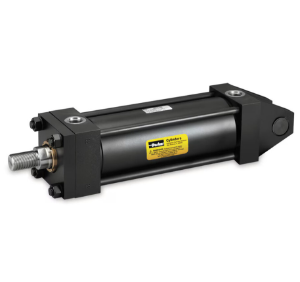
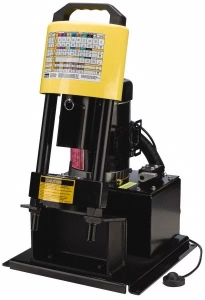
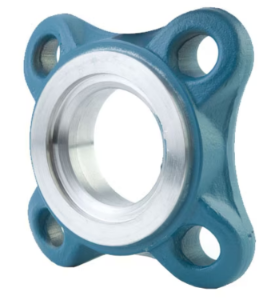
Complete Hydraulic System Parts for Reliable Industrial & OEM Performance
Hydraulic system components are the essential building blocks that allow fluid power systems to generate, control, and transmit mechanical force. These components work together to convert mechanical energy into hydraulic energy and back again, enabling precise movement, lifting, clamping, and rotation in industrial, mobile, and OEM equipment.
A complete hydraulic system typically includes power generation components, control elements, actuators, and supporting accessories that ensure efficiency, safety, and long-term reliability.
At Nott Company, we provide a full range of hydraulic system components designed to meet the demands of high-pressure industrial environments, agricultural equipment, and heavy-duty mobile machinery.
🔧 Core Hydraulic System Components
Hydraulic Valves
Hydraulic valves control the direction, pressure, and flow of fluid within a system. They act as the “control center,” ensuring that hydraulic energy is delivered exactly where and when it is needed. Without valves, systems would lack precision and safety control.
Common types include:
- Directional control valves
- Pressure relief valves
- Flow control valves
Hydraulic Reservoirs
Reservoirs store hydraulic fluid and help manage system stability by:
- Allowing heat dissipation
- Separating air and contaminants
- Maintaining fluid supply for continuous operation
They are critical for preventing cavitation and maintaining consistent system performance.
Hydraulic Filters
Filters remove contaminants from hydraulic fluid that can damage pumps, valves, and actuators. Clean fluid is essential for extending system life and preventing unexpected downtime.
Typical filter types include:
- Suction filters
- Return-line filters
- Pressure-line filters
Hydraulic Accumulators
Accumulators store pressurized fluid and release it when demand increases. They improve system responsiveness and help:
- Absorb pressure spikes
- Provide emergency energy reserves
- Stabilize system pressure fluctuations
Additional System Components
Hydraulic systems also rely on supporting components such as:
These components ensure safe, efficient, and controlled fluid movement across the system.
⚙️ How Hydraulic System Components Work Together
A hydraulic system operates in a continuous loop:
- A pump generates flow from the reservoir
- Fluid passes through filters to remove contamination
- Valves direct flow and control pressure
- Actuators perform mechanical work
- Fluid returns to the reservoir for reuse
This coordinated system allows for precise control of force and motion in demanding applications.
🚜 Applications
Hydraulic system components are used across a wide range of industries, including:
- Agriculture (sprayers, harvesters, tractors)
- Construction and earthmoving equipment
- Manufacturing and automation systems
- Material handling and logistics
- OEM hydraulic equipment design
Hydraulic System Components FAQ
What are hydraulic system components?
Hydraulic system components are parts like pumps, valves, reservoirs, filters, and accumulators that work together to generate and control fluid power.
What are the main parts of a hydraulic system?
The main parts include a pump, valves, actuators, reservoir, and hydraulic fluid.
What do hydraulic filters do?
Hydraulic filters remove contaminants from fluid to protect system components and improve reliability.