Engineering the Future of Mobile Equipment
BY OLENA YAKOVENKO / LAST UPDATED AUGUST 2026
Engineers face a growing list of challenges when designing machines today. OEMs must balance efficiency, reliability, cost, and the integration of emerging technologies like electrification, often while navigating increasingly complex system requirements.
These challenges span industries and applications, raising important questions: What is driving these demands, and how can OEMs address them? Let’s explore the engineering decisions shaping today’s machines, the solutions helping manufacturers overcome these challenges, and what the future of machine design may look like.
How Electronic Controls Improve Hydraulic Performance
Improving machine efficiency is not always about redesigning the entire hydraulic system. Often the key is in providing the system with more control over how power is used. Electronic controls help manage hydraulic power more precisely and distribute power to where it's most needed.
Managing power more efficiently
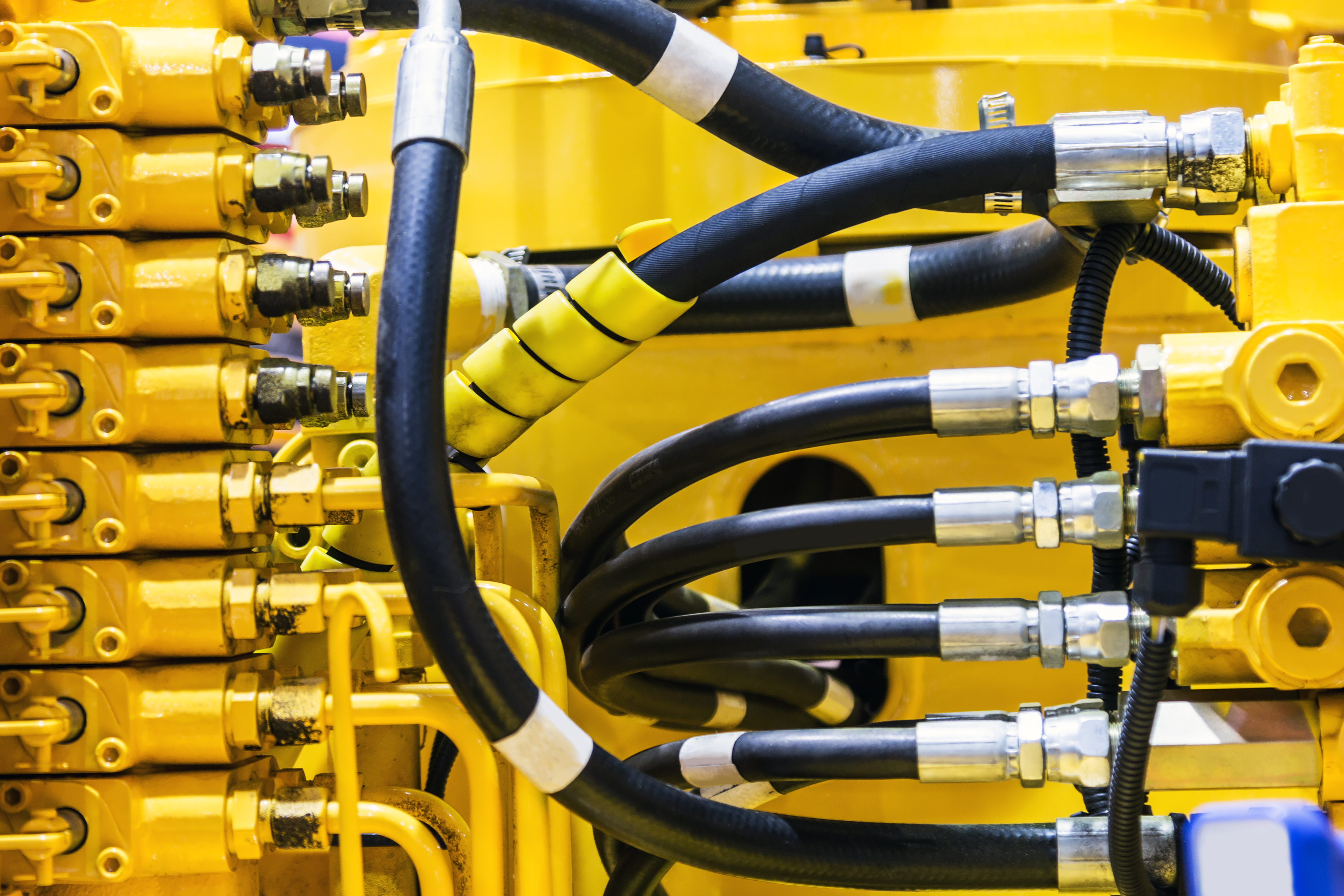
Better control over power helps improve machine efficiency. When incorporating electronic controls into the hydraulic system the manufacturers can control the power output that is required for each machine function instead of supplying unnecessary power. This reduces wasted energy which would become heat within the system. In comparison to a more traditional hydraulic system, this approach provides more control over the system and helps reduce parasitic losses and improve overall hydraulic performance.
Reducing heat for improved reliability and performance
Heat is one of the biggest enemies when it comes down to hydraulic systems. Excessive temperatures can reduce the lubricity of hydraulic oil, leading to increased wear and component degradation. Let's look at it as a “snowball effect.” At first, the problem starts very small. Hydraulic systems generate heat when energy is wasted. Once the system reaches a certain temperature, it reduces the lubricity of the hydraulic oil, which in return creates problems for the hydraulic system components. This can shorten the system's life significantly and create a cycle of increasing damage, leading to repairs, project slowdowns, as well as repair costs. Reducing heat also reduces wear on components, as better thermal management supports reliability. Less wear can help extend component life and create more reliable systems that would help OEMs create better performing machines.
Balancing Cost, Efficiency, & ROI
Cost is one of the main struggle manufacturers face today when planning their projects and deciding on components. It is important to get at both ends of the table a component that is efficient enough to do the job well, and one that doesn’t exceed the budget.
The challenge of battery costs in electrification
As battery technology continues to improve and more efficient machines are developed longer run times are becoming possible. However, battery cost still remains one of the biggest challenges when it comes to fully electric machine adoption. Battery cost is a limiting factor for fully electric machines, making it important for OEMs to carefully balance the benefits of electrification with the overall cost of the machine.
While battery technology continues to evolve, future solutions such as sodium-ion batteries, solid-state batteries, and other emerging battery chemistries show promise. However, current lithium-ion batteries still provide the best power density, and newer technologies have not yet reached the level of commercial maturity needed for heavy construction equipment.
Choosing the right components for long-term value
This concept applies beyond electrification. When selecting components and designing new machines, OEMS must consider not just the initial cost of the component, but also its impact on efficiency, reliability, and the total cost of ownership.
One of the biggest areas where efficiency improvements can be overlooked is in choosing the right components for the machine system. Even though more efficient components are on the market and in many instances provide better performance, they are often passed over by OEMs due to their high costs. OEMs often face pressure to select lower-cost options to meet customer expectations for the final machine price.
The initial cost of the component is only one part of the overall value it provides. Selecting components made for improved efficiency can help support long-term reliability and reduce unnecessary losses within the system, all while improving the total cost of ownership over the life of the machine. As the market continues to expand, the goal is to improve performance and reliability while making these technologies more accessible.
Why Engineering Partnership Matters
OEMs have highly skilled engineering teams with a depth of knowledge within their specific industry needed to design innovative machines. The challenge lies in having experience across a wide variety of industries, applications and machine platforms. Every project presents different engineering requirements, and lessons learned in one application can often provide valuable solutions in another.
Nott Company’s engineering team brings cross-industry experience to every project. With expertise in various fields such as agriculture, construction, manufacturing and more, the team has worked on a wide range of hydraulic systems, electronic controls, electrification, thermal management, and integrated machine designs. This allows Nott to apply proven engineering solutions and practical experience that OEMs may not have had the opportunity to develop within a single industry.
Instead of trial and error, OEMs can benefit more from engineering knowledge that has already been developed, tested and proven on previous projects. Nott Company customers do not have to recreate those experiences or learn the same difficult lessons alone, as the Nott team has already encountered and solved many of those challenges. This will help OEMs in reducing risk and shorten development time, minimize costly mistakes, and improve machine performance and reliability.
Looking Ahead
The future of machine design continues to evolve, creating new opportunities for OEMs to improve machine performance, efficiency, and functionality through smarter system architectures.
The mini skid steer is a great example of what’s possible. Our fully electric skid steer demonstrates the potential of today’s technology while providing a platform to explore and integrate emerging technologies. Its fully electronic architecture creates opportunities to test new capabilities that could shape the next generation of equipment, including:
- Full electric power system
- Position control for slope and grade control
- Integration with worksite systems
- Autonomous and semi-autonomous control integration
- Wireless control
- Testing and integration of new battery technologies
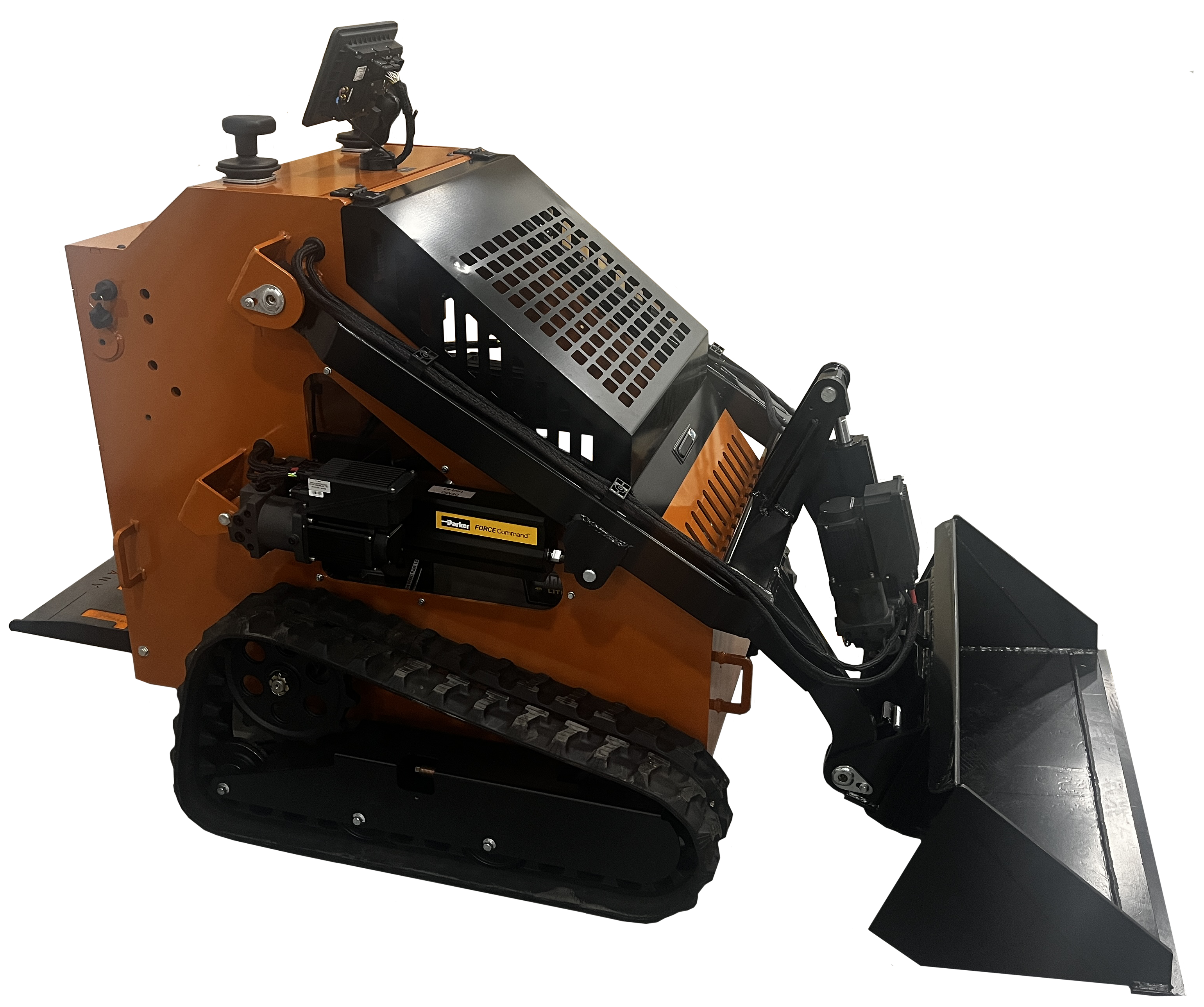
Together, these technologies demonstrate how integrated engineering solutions can improve efficiency, reliability, and overall machine performance. More importantly, the same principles can extend well beyond a mini skid steer. They can be scaled to larger skid steers, forestry equipment, highway maintenance equipment, and other heavy-duty machinery.
The future of machine design isn’t just about adopting new technology. It’s about applying the right technologies in practical, efficient ways to solve real-world challenges and improve machine functionality and performance. Nott Company helps OEMs turn these opportunities into production-ready solutions, from individual components to fully integrated machine systems.
Want to see what’s possible?
Visit the Nott Company team at iVT Expo in Chicago, August 19–20, to see our fully electric mini skid steer and explore how integrated engineering solutions can help move your next machine forward.
iVT Expo | August 19–20, 2026 | Hall F | Booth #700
Donald E. Stephens Convention Center | Chicago, IL
Looking for engineering support for your mobile equipment?
Explore our mobile solutions.